How to Eat Pomegranate the Right Way: 2 Easy Seed-Removing Techniques

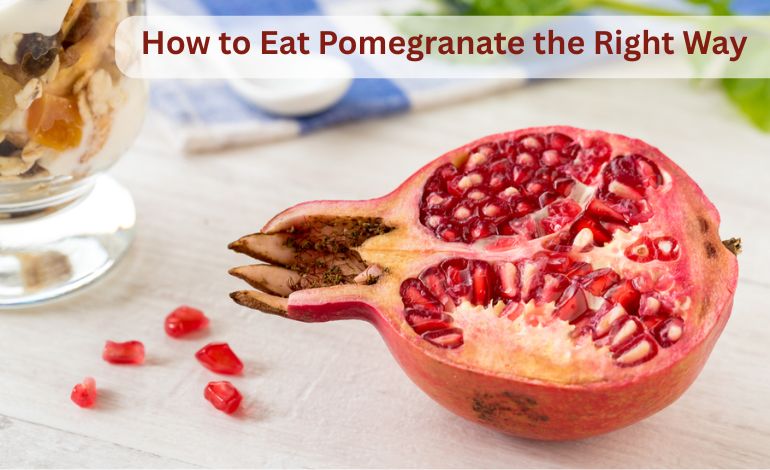
Pomegranate is one of the most nutritious and visually appealing fruits found in nature. Known as anar fruit in India and many other parts of South Asia, this vibrant red pomegranate fruit has been valued for centuries for its taste, medicinal properties, and nutritional richness. While most people love eating pomegranate seeds, many avoid the fruit simply because they do not know how to open it properly.
If you have ever struggled with messy hands, juice stains, or crushed seeds while cutting a pomegranate, this guide is for you. In this blog, you will learn two simple and effective ways to eat pomegranate the right way, along with its nutritional value, health benefits, and best consumption tips.
What Is Pomegranate (Anar Fruit)?
Pomegranate is a round fruit with a thick reddish skin and hundreds of juicy edible seeds inside. These seeds, also called arils, are the part we eat. The pomegranate fruit is native to the Middle East and South Asia and has been a part of traditional diets for thousands of years.
In Ayurveda and traditional medicine, anar fruit is considered cooling, refreshing, and beneficial for digestion, heart health, and immunity. Today, modern nutrition science also supports many of these traditional claims.
Nutritional Value of Pomegranate
One of the biggest reasons pomegranate is considered a superfruit is its impressive nutritional profile.
Nutritional Value of One Medium Pomegranate (Approx.)
- Calories: ~230
- Carbohydrates: ~52 g
- Protein: ~4–5 g
- Fat: ~3 g
- Dietary Fiber: ~11 g
- Vitamin C
- Vitamin K
- Folate (Vitamin B9)
- Potassium
- Powerful antioxidants (polyphenols and anthocyanins)
The pomegranate seeds are especially rich in antioxidants, which help protect the body from oxidative stress and inflammation.
Health Benefits of Pomegranate Fruit
1. Rich in Antioxidants
Pomegranate contains more antioxidants than many other fruits. These compounds help neutralize harmful free radicals in the body and support overall cellular health.
2. Supports Heart Health
Regular consumption of pomegranate fruit may help maintain healthy blood pressure levels and support good cholesterol balance, contributing to better heart health.
3. Aids Digestion
The fiber content in pomegranate seeds supports digestive health by promoting regular bowel movements and improving gut function.
4. Boosts Immunity
Thanks to vitamin C and antioxidants, anar fruit helps strengthen the immune system and supports the body’s natural defense mechanisms.
5. Supports Skin and Hair Health
Pomegranate nutrients may help improve skin glow and hair strength by supporting collagen production and reducing oxidative damage.
How to Choose the Best Pomegranate
Before learning how to eat pomegranate properly, it is important to choose a good-quality fruit.
- Select a pomegranate that feels heavy for its size
- The skin should be firm and smooth, not soft or shriveled
- Deep red or reddish-brown color usually indicates ripeness
- Small surface marks are fine, but avoid fruits with cracks
A good pomegranate means juicier and sweeter seeds.
How to Eat Pomegranate the Right Way
Now let us come to the most important part—how to remove pomegranate seeds easily without making a mess.
Method 1: The Wooden Spoon Tapping Method (Mess-Free & Fast)
This is one of the easiest and most popular ways to eat pomegranate.
Steps:
- Wash the pomegranate thoroughly.
- Cut the fruit into two equal halves horizontally.
- Hold one half over a deep bowl with the seeds facing downward.
- Using the back of a wooden spoon, firmly tap the outer skin.
- The pomegranate seeds will fall directly into the bowl.
Why This Method Works
The seeds are loosely packed inside compartments. Tapping releases them without crushing, making this method quick and clean.
Tip: You can fill the bowl with a little water. The seeds will sink while the white pith floats, making separation easier.
Method 2: The Scoring and Breaking Method (Clean & Controlled)
This method is ideal if you want neatly separated seeds with minimal juice splatter.
Steps:
- Cut off the crown (top) of the pomegranate.
- Lightly score the skin from top to bottom along the natural ridges.
- Gently pull the fruit apart into sections.
- Remove the pomegranate seeds from each section by hand.
Why This Method Is Effective
Pomegranate naturally has seed compartments. Scoring along these lines prevents seed damage and juice loss.
How to Eat Pomegranate Seeds
Once you have removed the seeds, you can enjoy them in many ways:
- Eat raw as a snack
- Add to fruit salads and vegetable salads
- Mix with yogurt or oatmeal
- Use as a topping for desserts
- Blend into smoothies or fresh juice
Eating whole pomegranate seeds is better than only drinking juice because the seeds provide fiber along with nutrients.
Best Time to Eat Pomegranate
- Morning or mid-day is considered ideal
- Can be eaten as a snack or with breakfast
- Avoid eating late at night if you have digestion issues
In Ayurveda, anar fruit is considered beneficial when consumed fresh and in moderation.
Storage Tips for Pomegranate
- Whole pomegranates can be stored at room temperature for a few days
- Refrigerate whole fruits for up to 2–3 weeks
- Store removed seeds in an airtight container in the refrigerator for up to 5–7 days
- Seeds can also be frozen for long-term use
Who Should Be Careful While Eating Pomegranate?
While pomegranate is generally safe, moderation is important:
- People with very low blood pressure should avoid excess intake
- Those with sensitive digestion should eat small quantities
- Avoid packaged pomegranate juice with added sugar
Always prefer fresh pomegranate fruit over processed products.
Conclusion
Pomegranate, also known as anar fruit, is a nutrient-rich fruit that deserves a place in your daily diet. From heart health to digestion and immunity, the benefits of pomegranate seeds are backed by both traditional wisdom and modern science. By learning the right way to open and eat pomegranate using these two easy techniques, you can enjoy this superfruit without mess or frustration.
Add fresh pomegranate fruit to your routine and enjoy its taste, nutrition, and health benefits the natural way.
Also Explore : Alkaline Water: Benefits, Side Effects & Complete Guide for Beginners