
How Does the Ice Shivling Form in Amarnath Cave? The Amazing Mix of Science and Faith


Amarnath Yatra 2026: What’s Happened So Far
This year’s 57-day-long yatra began on July 3 and will continue until August 28. In just the first four to five days, over 86,000 devotees had already had darshan inside the holy cave. Around 4 lakh pilgrims have registered for the yatra this year, and a large number of them are still waiting for their turn.
The yatra runs through two routes — the traditional Pahalgam route, which is about 48 km long, and the Baltal route, a shorter but steeper path of around 14 km.
How Does the Ice Shivling Actually Form? (In Simple Science)
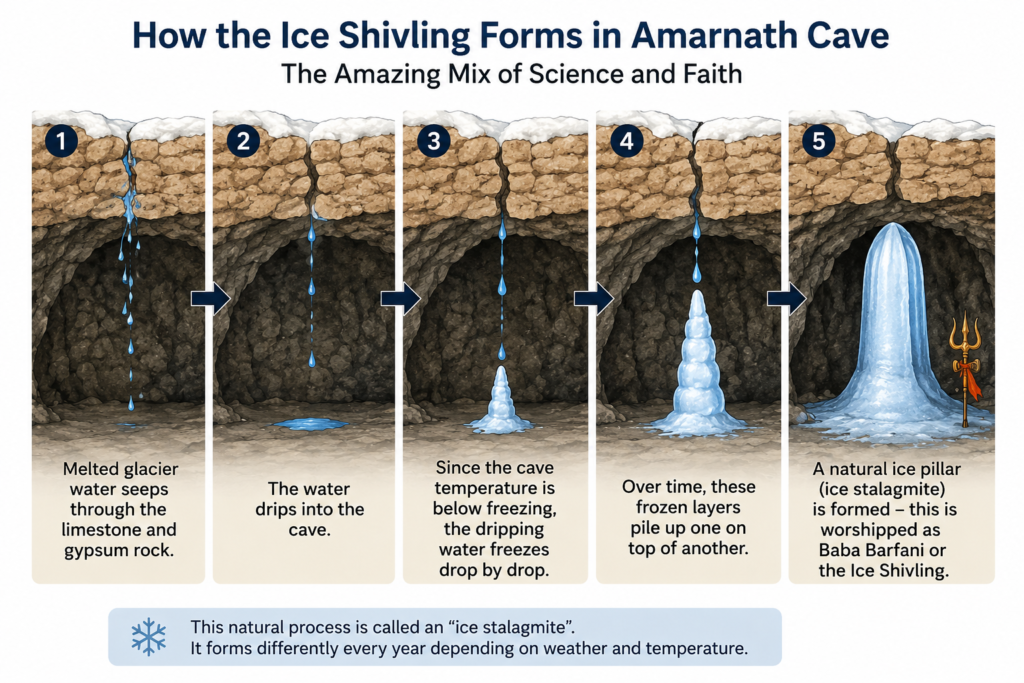
The Shivling inside the Amarnath cave is not man-made ice art. It forms completely naturally through a process scientists call an “ice stalagmite.”
Here’s the easy way to understand it:
- The roof of the cave is made of limestone and gypsum rock
- Melted glacier water slowly seeps down through these rocks and drips inside the cave
- Since the inside of the cave stays below freezing temperature, this dripping water freezes drop by drop
- Over time, these frozen layers pile up one on top of the other, slowly forming a tall pillar of ice
This natural ice pillar is what devotees worship as Baba Barfani or the Ice Shivling.
Why Did the Shivling Melt So Fast This Year?
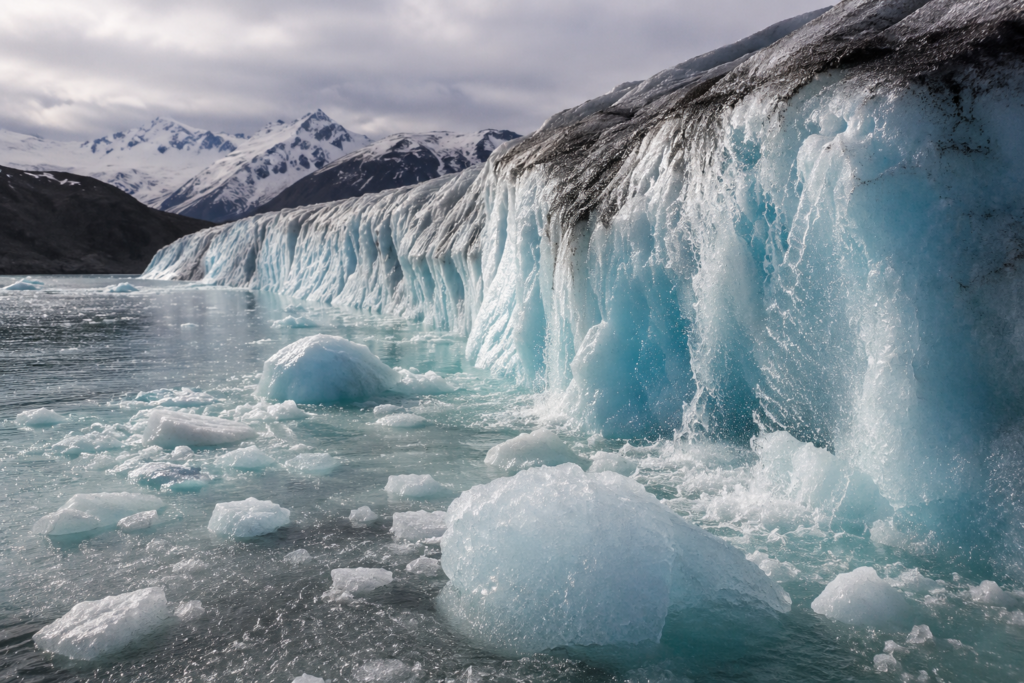
The size of the ice Shivling is different every year, and it depends entirely on weather and temperature conditions. Some possible reasons behind this year’s early melting include:
- Warmer temperatures: If the area around the cave is warmer than usual, the ice naturally melts faster
- Less snowfall: If the glacier above received less snow in the months before, less water drips down, making the ice pillar thinner and weaker
- Air flow inside the cave: The movement of air inside the cave also affects the internal temperature
Many experts also see this as a possible sign of climate change, although the pattern is different every year, so it’s difficult to draw a firm conclusion based on just one season.
Devotees’ Faith Remains Unshaken
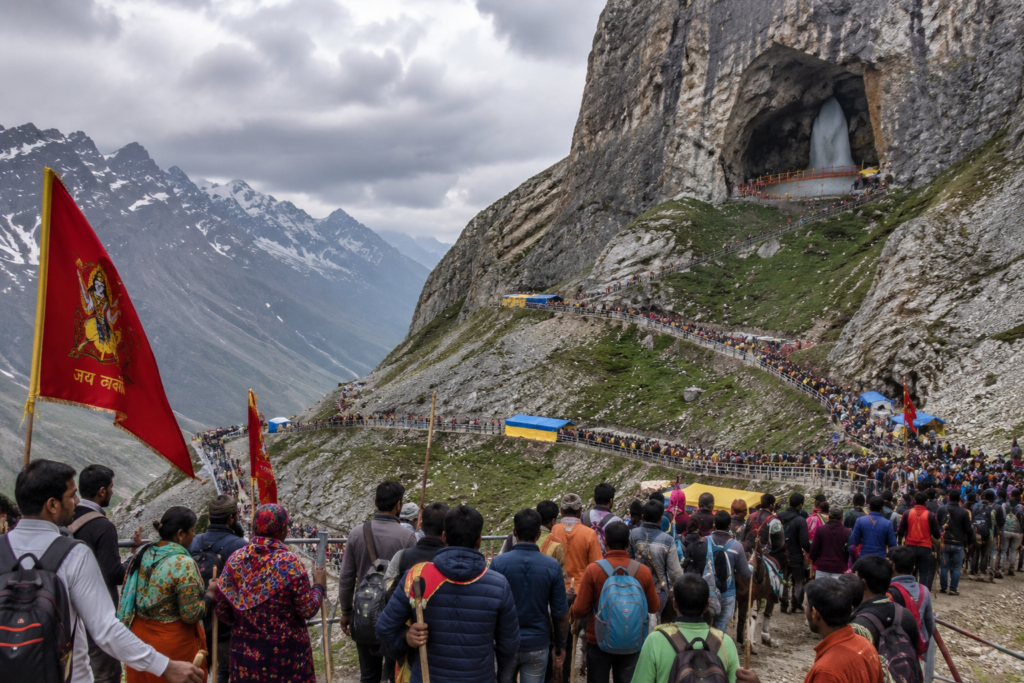
What’s most remarkable is that even though the Shivling has melted, the enthusiasm among devotees hasn’t dropped at all. Many pilgrims believe that it’s not just the ice Shivling that’s sacred — the entire holy cave of Lord Amareshwar itself holds deep religious importance for them.
According to religious belief, it was inside this very cave that Lord Shiva narrated the story of immortality (Amar Katha) to Goddess Parvati. Because of this, devotees consider themselves blessed simply by visiting the cave, even without seeing the full ice lingam.
Some pilgrims have come for the third year in a row, yet still haven’t been able to see the Shivling in its complete form — but their devotion remains just as strong.
Is This Just a Religious Event, or a Bigger Sign?
Looking at this from both angles gives us two takeaways:
- From a faith perspective: The Shivling changing shape or size isn’t unusual — this happens naturally every year, and for devotees, the significance of the yatra and the cave remains the same regardless
- From a science perspective: This is a reminder to pay attention to temperature and glacier patterns in the Himalayan region, since these changes affect not just religious sites, but the entire mountain ecosystem
Final Thoughts
The Amarnath Yatra 2026 saw its ice Shivling melt in just 5 days, but this hasn’t weakened the faith of devotees even slightly. This event beautifully shows the mix of science and belief — where nature shapes this miracle differently every year, while the devotion of millions of pilgrims towards this sacred cave stays constant.
Read also : Alkaline Water: Benefits, Side Effects & Complete Guide for Beginners