Pecans vs Peanuts: A Nutritionist’s Guide to Heart Health and Cholesterol

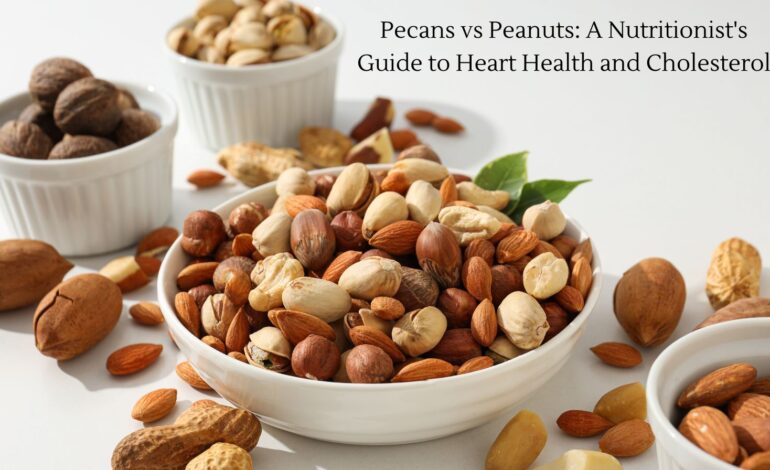
Heart disease remains the leading cause of death worldwide, claiming approximately 17.9 million lives each year. While medications and lifestyle changes play crucial roles in prevention, one simple dietary addition has consistently shown remarkable results: nuts.
But with so many options available, a common question arises – should you reach for pecans or peanuts when your goal is protecting your heart and managing cholesterol?
Both nuts have earned their place in heart-healthy diets, yet they differ significantly in their nutritional profiles, cholesterol-lowering mechanisms, and overall health benefits. As someone who analyses nutrition research daily, I can tell you that understanding these differences can help you make smarter choices for your cardiovascular health.
In this comprehensive guide, we’ll compare pecans and peanuts head-to-head, examining the latest research on their effects on cholesterol, heart disease risk, and overall nutrition. By the end, you’ll know exactly which nut deserves a spot in your daily diet.
Quick Comparison: Pecans vs Peanuts at a Glance
Before diving deep, here’s a snapshot comparison of these two popular nuts:
| Factor | Pecans | Peanuts | Winner for Heart Health |
|---|---|---|---|
| Calories (per 28g) | 196 kcal | 161 kcal | Peanuts (lower calorie) |
| Protein | 2.6g | 7.3g | Peanuts (3x more) |
| Total Fat | 20.4g | 13.9g | Tie (healthy fats) |
| Omega-3 Fatty Acids | Higher | Lower | Pecans |
| Antioxidants | 5,095 μmol/g | 899 μmol/g | Pecans (5.6x more) |
| Vitamin E | Lower | 6x more | Peanuts |
| Folate | Lower | 11x more | Peanuts |
| LDL Cholesterol Reduction | 6.4-9.5% | Moderate | Pecans |
| AHA Heart-Healthy Certified | Yes | No | Pecans |
| Cost | Higher | Lower | Peanuts |
What Makes Pecans Heart-Healthy?
Pecans are nutritional powerhouses that have earned certification as a “Heart-Healthy Food” by the American Heart Association. Here’s why they deserve this recognition:
1. Exceptional Cholesterol-Lowering Ability
A landmark 2021 study published in The Journal of Nutrition examined the effects of daily pecan consumption on adults at risk for cardiovascular disease. The results were remarkable:
- Total cholesterol decreased by 4.7-4.9%
- LDL (“bad”) cholesterol dropped by 6.4-9.5%
- Participants consumed just 68 grams (about 2.4 ounces) of pecans daily for 8 weeks
Why does this matter? Research shows that every 1% reduction in LDL cholesterol translates to a 1.2-2.0% reduction in coronary artery disease risk. This means regular pecan consumption could potentially lower your heart disease risk by 8-19%.
2. Highest Antioxidant Content Among Nuts
According to USDA research, pecans contain the highest antioxidant capacity of any nut:
| Nut | Antioxidant Capacity (μmol/g) |
|---|---|
| Pecans | 5,095 |
| Walnuts | 3,846 |
| Hazelnuts | 2,739 |
| Almonds | 1,265 |
| Peanuts | 899 |
These antioxidants help combat oxidative stress, a key contributor to atherosclerosis (hardening of arteries) and heart disease.
3. Rich in Heart-Protective Nutrients
Pecans provide several nutrients essential for cardiovascular health:
- Monounsaturated fats: Help reduce LDL cholesterol while maintaining HDL levels
- Plant sterols: Naturally block cholesterol absorption in the intestines
- Manganese: Supports antioxidant enzyme function
- Zinc: Essential for heart muscle function
- Thiamine (B1): Helps convert nutrients into energy for heart cells
4. Zero Cholesterol Content
Like all plant foods, pecans contain absolutely no dietary cholesterol, making them an excellent protein and fat source for those monitoring their cholesterol intake.
What Makes Peanuts Heart-Healthy?
Don’t let pecans steal all the spotlight. Peanuts offer their own impressive array of heart-protective benefits:
1. Equal Heart Protection at Lower Cost
A groundbreaking study published in JAMA Internal Medicine analysed over 200,000 participants and found that regular peanut consumers were substantially less likely to die from heart disease compared to non-consumers. The protective effect was comparable to expensive tree nuts like almonds and walnuts.
This is significant because peanuts typically cost 50-70% less than tree nuts, making heart-healthy eating accessible to everyone.
2. Protein Powerhouse
Peanuts contain approximately three times more protein than pecans:
| Nutrient | Peanuts (per 100g) | Pecans (per 100g) |
|---|---|---|
| Protein | 25.8g | 9.2g |
| Complete amino acids | Yes | Partial |
Higher protein intake is associated with better satiety, muscle maintenance, and metabolic health – all factors that indirectly support heart health.
3. Superior Vitamin Content
Peanuts outperform pecans in several key vitamins:
- Vitamin E: 6 times more than pecans – protects LDL cholesterol from oxidation
- Niacin (B3): 10 times more – helps raise HDL (“good”) cholesterol
- Folate: 11 times more – reduces homocysteine levels (a heart disease risk factor)
4. High in Resveratrol
Peanuts contain resveratrol, the same heart-protective compound found in red wine. This polyphenol has been shown to:
- Reduce inflammation in blood vessels
- Prevent blood clot formation
- Improve endothelial function (blood vessel lining health)
5. Plant Sterols for Cholesterol Blocking
University of Georgia researchers found that both peanuts and pecans contain high levels of plant sterols, which actively block cholesterol absorption in the digestive tract.
Pecans vs Peanuts: Complete Nutritional Comparison
Here’s the detailed nutritional breakdown per 1-ounce (28g) serving:
Macronutrients
| Nutrient | Pecans | Peanuts |
|---|---|---|
| Calories | 196 kcal | 161 kcal |
| Total Fat | 20.4g | 13.9g |
| Saturated Fat | 1.8g | 1.9g |
| Monounsaturated Fat | 11.6g | 6.9g |
| Polyunsaturated Fat | 6.1g | 4.4g |
| Protein | 2.6g | 7.3g |
| Carbohydrates | 3.9g | 4.6g |
| Dietary Fibre | 2.7g | 2.4g |
| Sugar | 1.1g | 1.3g |
Vitamins
| Vitamin | Pecans | Peanuts | % Difference |
|---|---|---|---|
| Vitamin E | 0.4mg | 2.4mg | Peanuts 6x more |
| Thiamine (B1) | 0.19mg | 0.18mg | Similar |
| Niacin (B3) | 0.3mg | 3.4mg | Peanuts 10x more |
| Vitamin B6 | 0.06mg | 0.09mg | Peanuts 50% more |
| Folate | 6μg | 68μg | Peanuts 11x more |
Minerals
| Mineral | Pecans | Peanuts | % Difference |
|---|---|---|---|
| Calcium | 20mg | 16mg | Pecans 21% more |
| Iron | 0.7mg | 0.5mg | Pecans 60% more |
| Magnesium | 34mg | 48mg | Peanuts 41% more |
| Phosphorus | 79mg | 107mg | Peanuts 35% more |
| Potassium | 116mg | 180mg | Peanuts 55% more |
| Zinc | 1.3mg | 0.9mg | Pecans 44% more |
| Manganese | 1.3mg | 0.5mg | Pecans 2.6x more |
Which Nut Is Better for Lowering Cholesterol?
Based on current research, pecans have a slight edge when it comes to directly lowering cholesterol levels.
The Evidence for Pecans:
- Clinical trial results: 6.4-9.5% LDL reduction in 8 weeks
- Higher monounsaturated fat content: More effective at lowering LDL
- Superior antioxidant profile: Prevents LDL oxidation (oxidised LDL is more dangerous)
- AHA certification: Meets American Heart Association criteria
The Case for Peanuts:
- Equal mortality benefit: Same heart disease death reduction as tree nuts
- Higher folate: Reduces homocysteine (independent heart risk factor)
- More Vitamin E: Protects cholesterol particles from oxidation
- Better affordability: Sustainable long-term consumption
The Verdict:
For direct cholesterol reduction, choose pecans. For overall heart protection on a budget, peanuts are equally effective.
The best approach? Include both in your diet for complementary benefits.
Who Should Choose Pecans?
Pecans may be the better choice if you:
- Have elevated LDL cholesterol and need maximum reduction
- Are at high risk for heart disease
- Want maximum antioxidant protection
- Need more iron or zinc in your diet
- Are following a lower-protein diet
- Don’t have budget constraints
Who Should Choose Peanuts?
Peanuts may be the better choice if you:
- Need more protein (athletes, vegetarians, elderly)
- Are on a tight budget but want heart benefits
- Have low folate levels or are pregnant
- Need more Vitamin E for skin and immune health
- Want a more filling snack for weight management
- Prefer versatility in recipes (peanut butter, satay, etc.)
How Much Should You Eat Daily?
Recommended Daily Intake
| Nut | Amount | Calories |
|---|---|---|
| Pecans | 15-19 halves (28g) | ~196 kcal |
| Peanuts | 28-30 nuts (28g) | ~161 kcal |
| Mixed (both) | Half serving each | ~178 kcal |
Important Guidelines:
- Stick to unsalted varieties – Excess sodium negates heart benefits
- Choose raw or dry-roasted – Avoid oil-roasted nuts with added fats
- Watch portion sizes – Nuts are calorie-dense
- Replace unhealthy snacks – Don’t add nuts on top of existing calories
- Consistency matters – Daily consumption shows better results than occasional
Best Ways to Include Pecans and Peanuts in Your Diet
Breakfast Ideas
- Add chopped pecans to oatmeal or yogurt
- Spread natural peanut butter on whole-grain toast
- Blend peanuts into smoothies for protein boost
Snack Options
- Keep a 28g portion pre-measured for grab-and-go
- Pair with fresh fruit for balanced nutrition
- Make homemade trail mix with both nuts
Lunch and Dinner
- Top salads with pecan pieces
- Add crushed peanuts to stir-fries
- Use pecan-crusted coating for baked fish
- Make peanut sauce for vegetable dishes
Healthy Desserts
- Pecan-topped baked apples with cinnamon
- Frozen banana with peanut butter
- Dark chocolate bark with mixed nuts
Side Effects and Who Should Avoid
While both nuts are generally safe, certain individuals should exercise caution:
Allergies
- Peanut allergy is one of the most common and severe food allergies
- Tree nut allergy (including pecans) affects approximately 1% of the population
- Cross-reactivity between peanuts and tree nuts occurs in 25-40% of cases
- Always consult an allergist if you have any nut allergy
Potential Interactions
| Concern | Details |
|---|---|
| Blood thinners | High Vitamin E in peanuts may enhance anticoagulant effects |
| Thyroid medications | Take nuts 4 hours apart from levothyroxine |
| Diabetes medications | Monitor blood sugar as nuts affect glycemic response |
Calorie Considerations
- Both nuts are calorie-dense (160-200 kcal per ounce)
- Overconsumption can lead to weight gain
- Weight gain increases heart disease risk
- Stick to recommended portions
Digestive Issues
- High fibre content may cause bloating in sensitive individuals
- Start with smaller portions if new to eating nuts
- Drink adequate water to aid digestion
Frequently Asked Questions
1. Are pecans or peanuts better for lowering cholesterol?
Pecans have shown superior cholesterol-lowering effects in clinical studies, reducing LDL cholesterol by 6.4-9.5% over 8 weeks. However, peanuts also contribute to lower cholesterol through their plant sterols and healthy fat content. For maximum cholesterol reduction, pecans are the better choice.
2. How many pecans should I eat daily for heart health?
Research suggests consuming 15-19 pecan halves (approximately 28 grams or 1 ounce) daily for optimal heart benefits. This amount provided significant cholesterol reduction in clinical trials without excessive calorie intake.
3. Can peanuts lower LDL cholesterol?
Yes, peanuts can help lower LDL cholesterol through their monounsaturated fat content and plant sterols. A large study in JAMA Internal Medicine found peanut consumers had significantly lower cardiovascular mortality, similar to tree nut consumers.
4. Which nut has more omega-3 for heart health?
Pecans contain higher levels of omega-3 fatty acids compared to peanuts. Omega-3s help reduce inflammation, lower triglycerides, and decrease the risk of irregular heartbeats – all beneficial for cardiovascular health.
5. Are peanuts as healthy as tree nuts like pecans?
Yes, research confirms peanuts provide heart health benefits equivalent to more expensive tree nuts. The JAMA Internal Medicine study showed similar mortality reductions between peanut and tree nut consumers, making peanuts an excellent budget-friendly option.
6. Do pecans or peanuts have more protein?
Peanuts contain approximately three times more protein than pecans (25.8g vs 9.2g per 100g). If protein intake is your priority for muscle maintenance or satiety, peanuts are the clear winner.
7. Can diabetics eat pecans and peanuts?
Yes, both nuts are excellent choices for diabetics. They have low glycemic indexes, don’t spike blood sugar, and research shows nut consumption is associated with better blood sugar control. The healthy fats and fibre help slow glucose absorption.
8. Which nut is better for weight loss?
Peanuts may have a slight advantage for weight loss due to their higher protein content (promotes satiety) and lower calorie density. However, both nuts can support weight management when consumed in appropriate portions as replacements for less healthy snacks.
9. Is it safe to eat pecans and peanuts every day?
Yes, daily consumption of either nut is safe and beneficial for most people. Research studies showing heart benefits typically involved daily nut consumption. The key is maintaining appropriate portion sizes (about 28g or 1 ounce daily).
10. Can I eat both pecans and peanuts together?
Absolutely. Combining pecans and peanuts allows you to benefit from pecans’ superior antioxidants and cholesterol-lowering effects alongside peanuts’ higher protein and vitamin content. A mixed approach provides comprehensive heart protection.
The Verdict: Nutritionist’s Final Recommendation
After analysing the research, here’s my professional recommendation:
For Maximum Cholesterol Reduction: Choose pecans. Their clinically proven ability to reduce LDL by up to 9.5%, combined with superior antioxidant content, makes them the top choice for those specifically targeting cholesterol levels.
For Overall Heart Health on a Budget: Choose peanuts. Research shows they provide equivalent protection against heart disease mortality at a fraction of the cost.
For Optimal Results: Include both nuts in your weekly diet. Alternate between them or enjoy a mixed handful to get the cholesterol-lowering power of pecans combined with the protein and vitamin benefits of peanuts.
Remember, the best nut for heart health is the one you’ll actually eat consistently. Whether you prefer the buttery richness of pecans or the satisfying crunch of peanuts, adding either to your daily diet is a simple, delicious step toward better cardiovascular health.
Start today with a small handful – your heart will thank you.
Also Explore : Baidyanath – India’s most trusted ayurvedic brand in india